A plant is more than its active ingredients
When modern phytotherapy speaks of medicinal plants, it usually means: active ingredients. Rosmarinic acid in lemon balm. Hypericin in St. John's wort. Escin in horse chestnut. These substances can be analysed, quantified, standardised. They are the starting point for the regulation of herbal medicinal products and for their marketing.
Ceres starts from a different premise. The focus is not on the question of which single substance is present in which concentration, but rather the question: What is the essence of this plant — and how can it be processed so that it remains accessible in the preparation?
The Plant as a Living Organism
A medicinal plant is a living organism that responds to its environment. It grows in a specific location, under particular light and moisture conditions, at a certain time of year. It is in relation to soil, insects, weather, other plants. All this shapes its biochemical composition — and its spectrum of effects.
About 30 to 50 per cent of the compounds in a St. John's wort extract are, according to current knowledge, not yet structurally identified. This is not a shortfall in research — it is an indication of the complexity of plant matter. Those who respect this complexity process plants differently than those who only want to extract their known active ingredients.
What matters is not the amount of an isolated active ingredient, but the complete spectrum of the plant's effect — its vitality, the interplay of all its constituents.
Wild Harvesting and Organic Cultivation
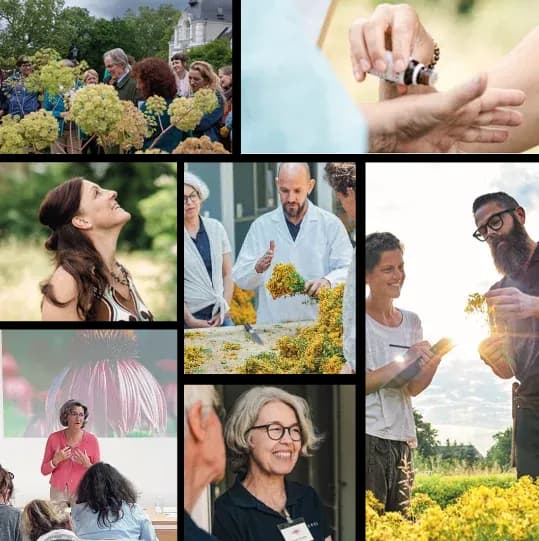
Ceres sources its plants exclusively from organic or biodynamic cultivation or from wild harvesting. Raphael Stucki, Head of Wild Harvesting and Quality Control at Ceres, accompanies the entire process: from the wild site through harvest to the analysis of the finished mother tincture.
This Instagram post requires your consent for third-party content.
Wild-growing plants often differ in their biochemical composition from cultivated ones. They grow under real ecological conditions, without fertilisation and without optimised cultivation conditions — and develop accordingly their own spectrum of effects. For sensitive plant species, wild harvesting is therefore the highest quality starting point.
The Moment of Harvest
Ceres harvests at a defined time: for St. John's wort, two thirds of the plant in bud, one third in flower, at the summer solstice. Similarly precise criteria apply to other plants. The time of harvest significantly influences the composition of the plant — research has shown that constituents such as hypericin and rutin vary greatly depending on the harvest stage.
Harvesting is done by hand. Machines would be faster. They would also accelerate the oxidation process — the process which, as Ceres team research has shown, can reduce the antioxidant activity of a mother tincture by up to 44 per cent within the first thirty minutes after grinding.
Over 60 Medicinal Plants
The Ceres range includes over 60 medicinal plants that are processed into mother tinctures, dilutions and complexes. From Aconitum to Viola tricolor — from alpine wild sites to Mediterranean cultural gardens, from spring bloomers to autumn plants.
Each of these plants has its own essence, its own signature, its own season. Each requires its own handling, its own harvest time, its own maceration process. The medicinal plant lexicon of the Ceres Academy unlocks this knowledge — botanically, pharmacologically and from the perspective of the doctrine of signatures.
What all Ceres plants share: they are carefully selected, carefully harvested, carefully processed. Not because that sounds more romantic. Because it makes a difference.