Essence and Signature of Medicinal Plants
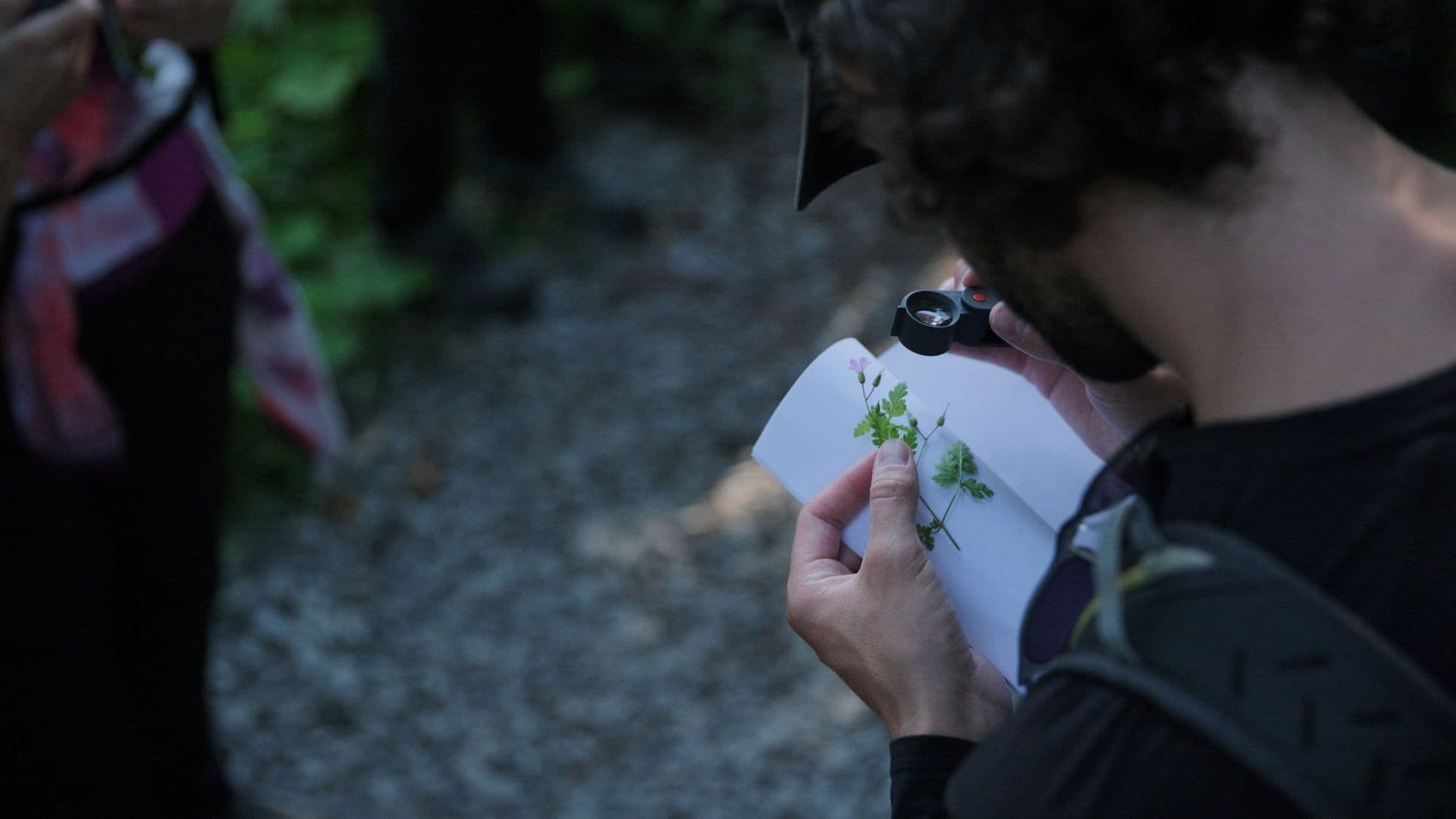
The essence of a plant is the spiritual plan according to which it is formed and shaped. It contains everything the plant is and everything it can become as a principle, as potential. When the seed of a plant is placed into moist earth and begins to germinate, the cosmic essence connects with the seedling. Only this interaction between the essence and the genes in the seedling makes the new living being the specific plant that is inherent in the seed. It is not the genes alone, nor is it the essence alone that makes the plant a plant, but the interaction of both, essence and genes.
The Signatura is the Expression of the Essence
The essence of a plant can be recognised through studying its signatura. However, reading the signatura of plants does not directly lead to conclusions about their effects on organs, but first to the recognition of a psychological correspondence between plant and human. Only thereafter can, through the relationships between psyche and organs, so-called psychosomatics, an organic effect of the plant on the human be deduced. If one searches for organ forms of humans in the shapes of plants, one may perhaps find correspondences, but these are rather coincidental. This trivial form of signatura doctrine has not contributed to its reputation. Yet the true doctrine of signatura according to Paracelsus is the highest level of insight.
The essence is the hidden cause, the hidden meaning. It is the force that lies behind the appearance.
The Essence of the Plant is Most Clearly Expressed in the Mother Tinctures
No other preparation reflects the essence of the medicinal plant so clearly as a mother tincture – provided its quality is high. The essence of the medicinal plant is especially apparent in the smell and taste of the preparation. The relationship between smell and essence is evident, for example, in the French term «huiles essentielles» for essential oils, which literally means “essential oils”. Only the mother tincture can – with good quality – preserve the smell and taste of the plant in as pure a form as possible.
With essential oil, the smell is indeed more intense, but the taste is absent. The spagyric essence undergoes a significant change in smell due to fermentation, and the taste no longer corresponds to the original plant. In the homeopathic dilution, the aroma of the plant is almost completely absent due to high dilution. With teas, the taste components are clearly identifiable, however the smell often remains flat due to drying. Extracts lose their smell due to concentration during manufacture, and dosage forms such as dragees or capsules lack both smell and taste.
These differences are by no means a disadvantage for the respective preparations. If the aim of a therapy is merely to act on the physical or regulatory level, the absence of the aspects of essence is not a deficiency. However, if one wishes to include the essence of the plant and also address the patient on a spiritual level, the mother tincture is the best choice.