Meadowsweet
Filipendula ulmaria
Botany
Mädesüss grows where water gathers: on stream banks, wet meadows, in riparian forests, and along ditches. There it unfolds its full luxuriance, producing reddish-streaked stems up to 150 cm tall, which branch out into exuberant, cream-coloured flower panicles in the upper part. The flowers open in succession, emitting an intense, sweet almond-honey scent that attracts countless insects. The stems bear odd-pinnate leaves arranged alternately. These are light green on the upper side. On the underside, they are almost hairless and either light green or silvery-hairy.
Essence of the plant
The Soothing Queen
Meadowsweet is the plant of sweet abundance and gentle release. Where heat, tension and rigidity have settled — in joints, muscles, mucous membranes — the meadow queen brings flow and soothing. The Meadowsweet type carries much and gives much, tending towards overheating and holding on tightly. The plant promotes the willingness to let go of tension and to trust in the flow — much like the water where it grows, which keeps everything in motion.
Filipendula ulmaria
Meadowsweet
From shape to healing power
The effervescent white flower panicles — sheer abundance and generosity — represent the essence of the meadow queen: giving without reservation. The sweet scent, which becomes even more intense when cut, points to the dissolving, soothing quality. The water habitat signifies flow, mobility, and the breaking down of rigidity. The elm-like leaves connect the plant with the theme of transformation and permeability.
Wild collection
Meadowsweet is widespread throughout Europe and northern Asia, growing in nutrient-rich, moist to wet locations: riverbanks, wet meadows, riparian forests and ditches. In Switzerland, it is common in the Central Plateau and the pre-Alps.
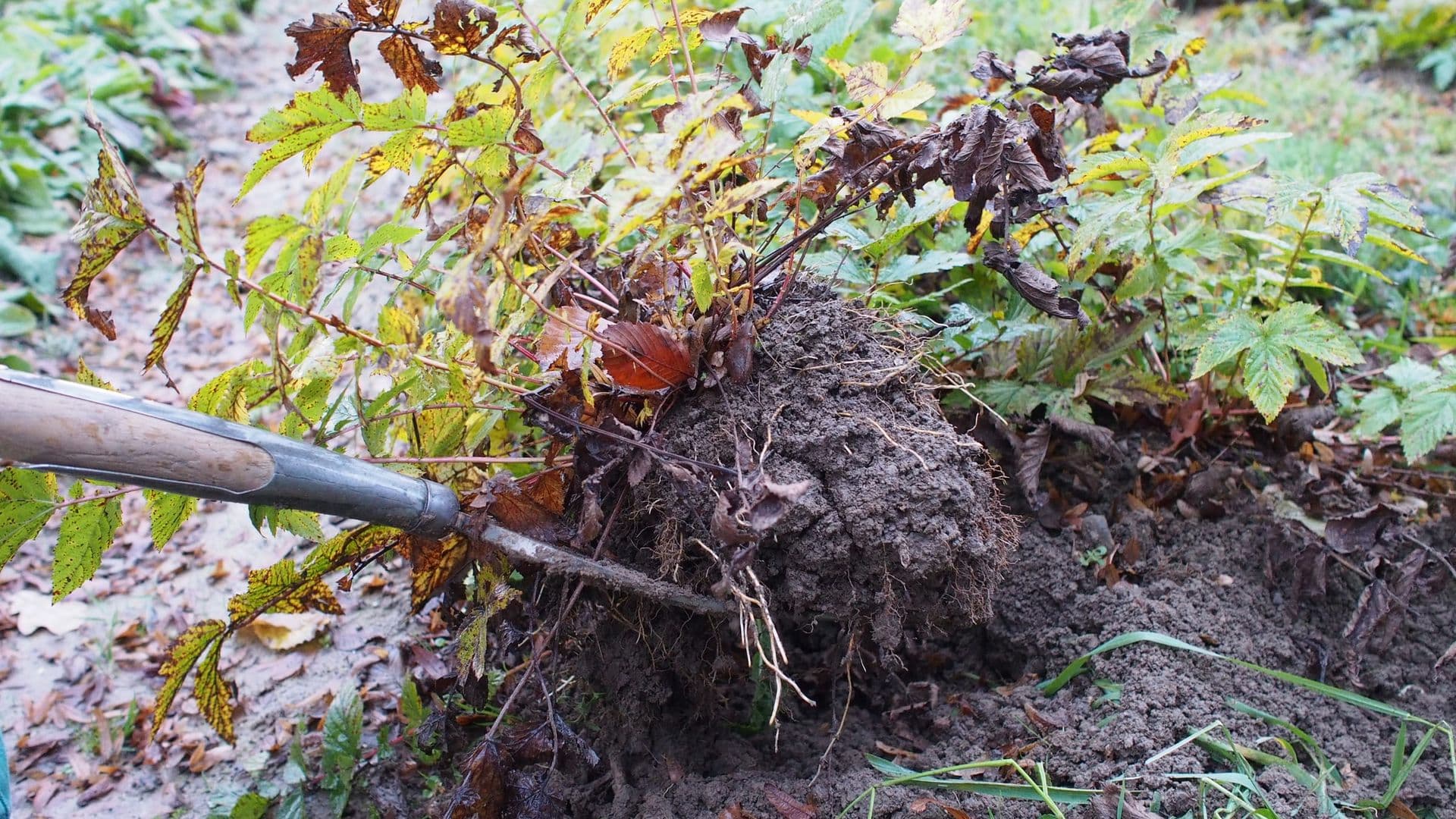
Ceres sources Meadowsweet from wild collection. The underground parts (roots and rhizomes) are hand-harvested in autumn.
Traditional use of meadowsweet
Meadowsweet is one of the most historically significant medicinal plants of Europe. In the Bronze Age, it was placed in graves in Scotland and England, indicating ritual and medicinal importance. The Celts and Germans valued it as a sacrificial plant and used it in the Middle Ages as a flavouring agent for mead and beer — hence the name «Metsüsse». Salicylic acid was first isolated from Meadowsweet flowers in 1853 and later gave Aspirin its name («Spireae herba» → «Aspirin»).
Traditionally, Meadowsweet was used for colds, fever, and flu-like infections — promoting perspiration and diuresis. It was considered a mild painkiller and anti-inflammatory for rheumatic complaints, gout, and muscle pain. In women’s health, it was used for menstrual pain. Externally, compresses were applied to wounds and skin conditions. In homeopathy, it is used (as Spiraea ulmaria) for acute and chronic joint rheumatism.
In Ceres signature doctrine, Meadowsweet embodies abundance and gentleness: the overflowing, cream-coloured flower clusters with their intensely sweet scent, the water habitat representing flow — all speak of a plant that dissolves rigidity, brings flow, and soothes pain without numbing.
Sources
Kalbermatten R. & H., Pflanzliche Urtinkturen – Wesen und Anwendung
AT Verlag
Kalbermatten R., Wesen und Signatur der Heilpflanzen
AT Verlag
Kommission-E-Monographie (BfArM)
EMA/HMPC Monographie
Open sourceESCOP Monographien
European Scientific Cooperative on Phytotherapy
Wichtl M., Teedrogen und Phytopharmaka
Wissenschaftliche Verlagsgesellschaft
Ceres mortar process — gentle, cold and complete.
Freshly harvested, hand-picked, ground at room temperature and aged for years. No heating, no pressure - the plant's full vitality is preserved.